

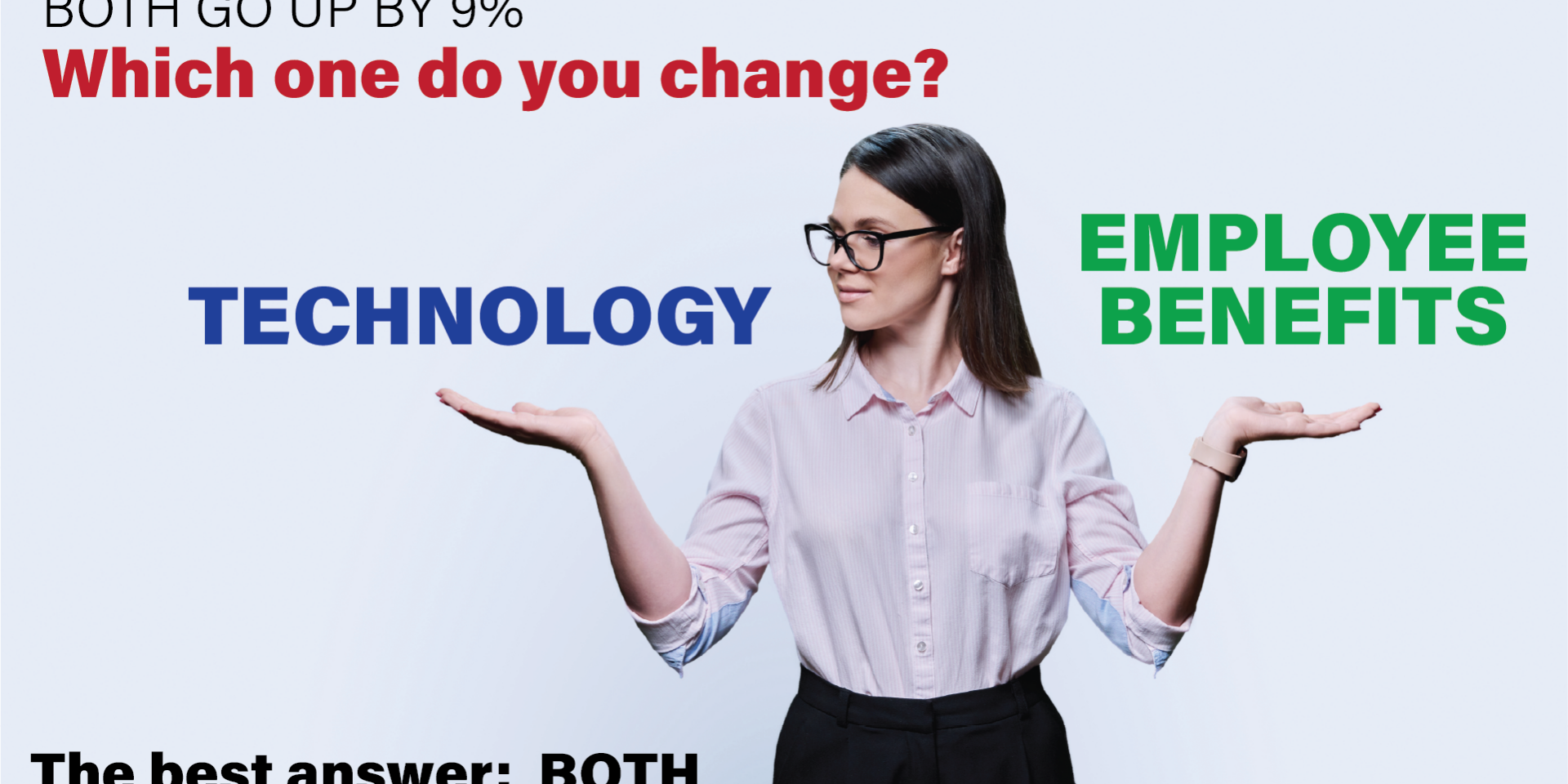
Picture this: a head of IT comes to the CFO and says the software budget is going up 9% this year — again. No explanation. No plan. Just a shrug and an invoice. A good CFO would want answers. A good CFO would want a strategy. A good CFO might want a new head of IT.
So why do health benefits get a pass?
A recent survey from Mercer found that roughly three-quarters of CFOs ranked healthcare costs among their company’s Top Five operating expense concerns. A third said it was a Top Three concern — compared to just 19% who felt that way back in 2024. The alarm bells are getting louder. Yet most organizations are responding to this crisis the same way they always have: by shifting costs to employees, raising deductibles, and hoping bad claims get smaller and next year is better.
https://www.cfobrew.com/stories/2026/04/27/health-benefit-costs-among-top-opex-worries-cfos-say
That is not a strategy, because it’s not getting better. That is surrender.
According to Mercer, the average cost of health benefits per employee topped $17,000 in 2025, with costs expected to climb another 6.7% in 2026 — a potential 15-year high — even after accounting for cost-cutting changes employers planned to make. Before those changes, employers were starting off with average increases of over 9%.
Let that sink in. Nine percent. On one of the largest line items in an entire operating budget. Growing at roughly double the rate of general inflation. And the most common response from finance leaders is to make employees pay more out of pocket, meanwhile their household bills keep stacking up.
Imagine applying that same logic to accounts payable. Vendor invoices are ballooning, filled with errors nobody is catching, and the solution is to tell employees to just expect less. No board would accept that. No shareholder would accept that. But when it comes to benefits, this has been standard practice for decades — and the parties managing the plan often have a financial incentive to keep it that way.
Here’s the uncomfortable truth: health benefits spending is out of control in most organizations not because it’s uniquely difficult to manage, but because nobody with real budget authority has ever treated it like a managed budget. CFOs who scrutinize every software renewal, every headcount request, and every capital expenditure have historically handed the benefits program to HR and looked away. CEOs who demand accountability across every department have let this one run on autopilot.
The reasons are understandable. Benefits feel complicated. They’re emotional. Touching them makes people nervous. But “it’s complicated” is not a financial strategy — and the numbers have gotten too big to keep treating this category with a light hand.
The current elevated cost trend began in 2023 after a decade of growth averaging only about 3% annually, and is now putting mounting pressure on benefit budgets and, in some organizations, beginning to affect broader business operations. That last part deserves more attention than it’s getting. When benefits spending starts crowding out investment in growth, technology, or talent — it stops being an HR problem and becomes a business problem.
The fix doesn’t start with cutting employee coverage. It starts with CEOs and CFOs treating this budget with the same rigor they apply everywhere else. That means demanding an independent review of what the organization is actually spending and why. It means asking whether they have an advisor in the room working for the employer or a broker working for the carrier writing their commission check. It means reading the ASO contract and finding out what percentage of recovered funds the administrator is keeping — and whether they have any real incentive to catch problems before the money is already gone.
While the problems, and the causes, are complicated, the organizations winning on benefits costs right now aren’t doing anything magical. They’re just doing what good finance leaders do everywhere else: asking hard questions, holding vendors accountable, and refusing to accept “that’s just how it works” as an answer.
The cost trend is at a 15-year high. The money is walking out the door. The only question left is whether leadership teams will start to manage this budget — or just keep paying more and letting the budget manage them.
